How to Develop Leadership and Management Skills: A Practical Guide

Leadership and management are key skills that can make the difference between an average employee and a successful leader. Today, these skills matter more than ever if you want to advance your career and have a positive impact on your organisation and colleagues.
One of the best-known authors in the field, John Maxwell, says that "leaders are not born, they are made." He argues that leadership can be learned and developed through practice, self-awareness and continuous education.
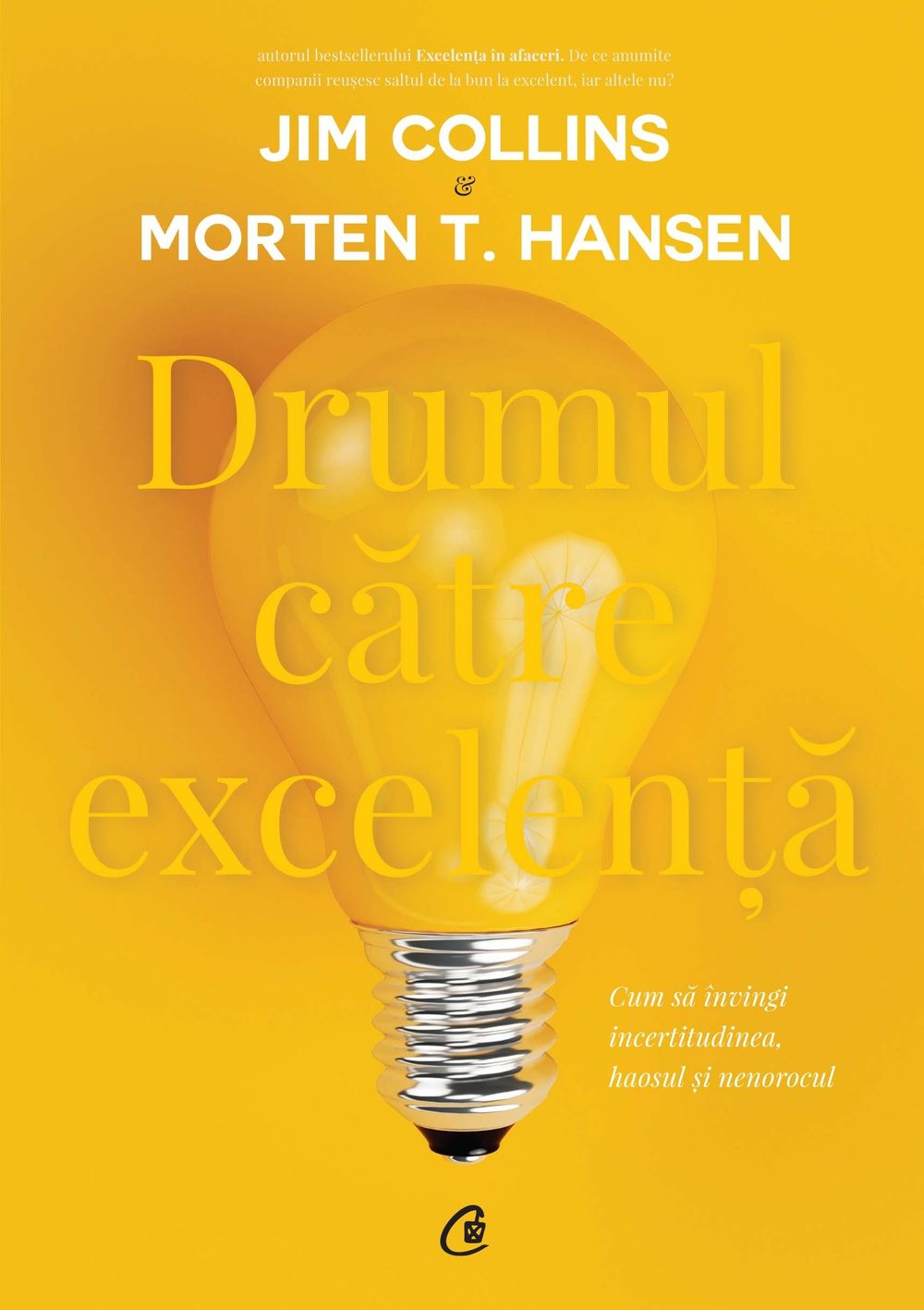
One way to develop your leadership and management skills is to study books written by experts, such as The 7 Habits of Highly Effective People by Stephen Covey or Good to Great by Jim Collins. These offer insights and practical techniques for improving how you lead and manage.
Taking part in training and professional development programmes, such as courses or workshops, can also help. Spending time with successful leaders and managers gives you the chance to learn by observing and following their example.
Leadership and management skills are essential for a successful career, whether you are already a manager or simply want to strengthen your leadership qualities in any field. Here are some insights and practical techniques drawn from well-known books on the subject:
- Empathy – John C. Maxwell and Daniel Goleman both say empathy is one of the most important qualities of a leader. Empathy means understanding and feeling what another person feels, putting yourself in their shoes. It helps you build stronger, more authentic relationships with the people around you and become a more effective leader.
- Effective communication – Clear, effective communication is essential for any leader. The 5 Levels of Leadership by John C. Maxwell shows how to become a better communicator by using clear language and delivering a coherent message.
- Delegation – Delegation is a core management technique, described particularly well in The 7 Habits of Highly Effective People by Stephen Covey. An effective leader knows how to delegate tasks and make sure every team member uses their talents to the full.
- Self-awareness – Self-awareness is a vital part of growing as a leader, explored in Mindset: The New Psychology of Success by Carol Dweck. A self-aware leader knows their strengths and weaknesses, knows what they want from life and how to manage their emotions and behaviour.
- Feedback – Feedback is an essential leadership and management tool, explained in detail in Crucial Conversations: Tools for Talking When Stakes Are High by Al Switzler, Joseph Grenny and Ron McMillan. An effective leader knows how to give and receive constructive feedback and uses it to improve relationships and achieve goals.
Developing leadership and management skills can be an ongoing process of self-discovery and learning. The books above offer insights and practical techniques to help you strengthen these skills and become a more effective leader.
There are also many studies with relevant data on the value of developing leadership and management skills:
- Studies show that effective leaders have a major impact on employee performance and business results. According to research published by Harvard Business Review, high-performing leaders can increase productivity by up to 21%.
- According to a study by the University of North Carolina, leadership skills have a significant impact on employee motivation. Employees with a strong leader are more motivated and have a more positive attitude towards their work.
- According to a Deloitte survey, effective leaders are more flexible and adaptable to change. Leaders who adjust their style to the context have a positive impact on business performance.
- According to a study by McKinsey & Company, management and leadership skills are key to career success. People who develop these skills are more likely to reach leadership positions and make a significant impact on business performance.
These are just a few of the findings that underline the importance of developing leadership and management skills. Clearly, investing in them can significantly boost both personal and business performance.
In real life, there are a few things an authentic leader should do:
- Know and own their personal values and beliefs
- Communicate transparently and actively listen to others' opinions
- Be a positive role model through their own behaviour
- Be able to inspire and motivate the team
- Recognise and value each team member's contribution
On the other hand, a leader should not:
- Ignore or discriminate against certain team members, or favour others.
- Refuse to listen to and consider other people's ideas and suggestions.
- Act in their own interest, or that of a small group, at the expense of the organisation or others.
- Be indecisive or avoid making important decisions.
- Be indifferent or ignore the team's issues and concerns.
- Use abusive behaviour or emotional pressure to reach their goals.
Developing leadership and management skills is an ongoing process that requires dedication and commitment. Reading books, joining training programmes, practising the skills above and learning from successful leaders are all effective ways to improve your leadership abilities.


How does your CV score?
Get a free expert review of your CV in about a minute.
Review my CV for free →