Relaxation and Mindfulness Techniques to Beat Stress
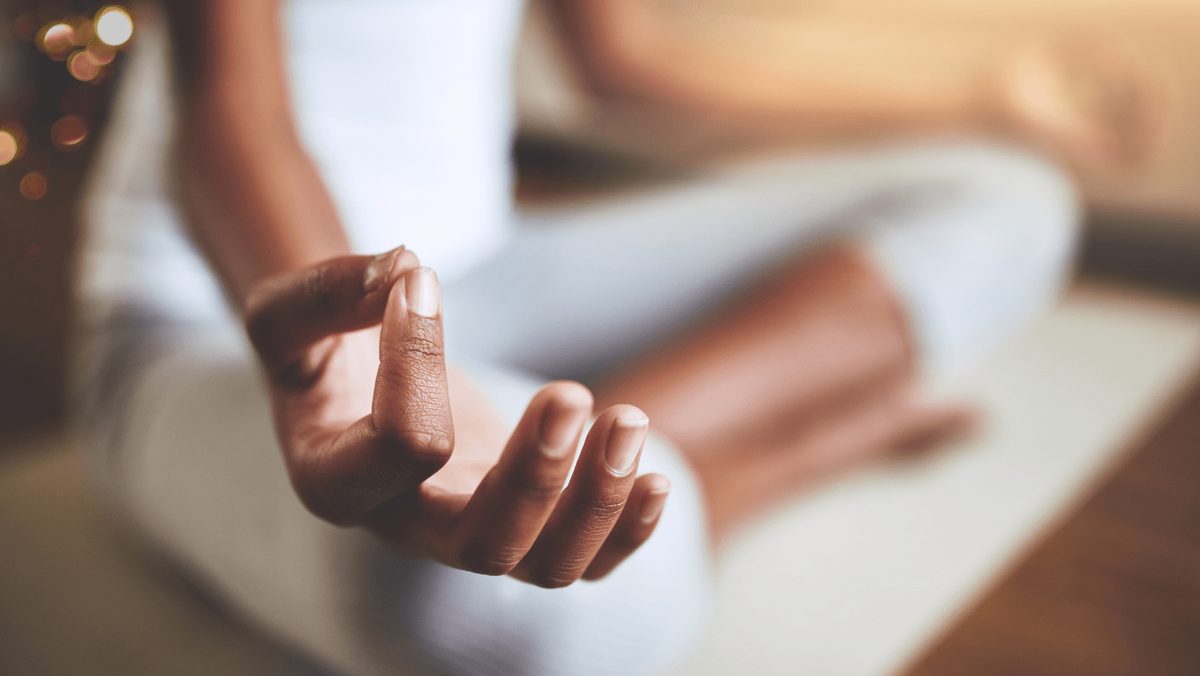
Living in a busy world full of responsibilities and stress can take a toll on our well-being and mental health. Fortunately, there are effective relaxation and mindfulness methods that can help us release tension and maintain our emotional balance. In this article, we explore the most effective relaxation and mindfulness techniques and their benefits for our mental health. We also recommend three helpful books that aim to guide us toward a calmer, more balanced life.
What are relaxation and mindfulness?
Relaxation and mindfulness are two interconnected concepts that can help us let go of stress and rediscover our inner balance. Relaxation is the process of releasing tension from the body and mind through techniques such as yoga, meditation or breathing exercises. Mindfulness, on the other hand, is a practice that teaches us to be aware of the present and to focus our attention on the current moment, without being carried away by negative thoughts and emotions.
Relaxation techniques
There are many relaxation techniques, but the most effective ones are built on breathing exercises and meditation. Research, including studies conducted at Harvard, suggests that regular meditation practice can significantly reduce stress and anxiety. These techniques can easily be integrated into our daily routine and don't require much time or effort.
Breathing exercises
Breathing is essential to our well-being and emotional balance. Breathing exercises help us relax, unwind and bring our attention back to the present moment. One of the most effective techniques is the 4-7-8 method, popularised by physician Dr Andrew Weil. Breathe in through your nose for 4 seconds, hold your breath for 7 seconds, then breathe out through your mouth for 8 seconds. Repeating this cycle three or four times can help you release tension and relax.
Meditation
Meditation is a practice thousands of years old that aims to calm the mind and reduce stress. Studies have shown that meditation can improve brain function, reduce anxiety and depression, and support the immune system. One of the simplest forms is breath-focused meditation: you focus your attention on each inhale and exhale, letting thoughts pass without holding on to them. By practising this meditation for 10–15 minutes a day, you may notice significant changes in your well-being and emotional balance.
The benefits of relaxation and mindfulness
Relaxation and mindfulness bring numerous benefits for our mental and emotional health. These include reduced stress and anxiety, better sleep, greater self-esteem and more control over negative emotions. Studies have shown that practising these techniques consistently can improve quality of life and strengthen our ability to handle stressful situations.
Three recommended books
If you want to explore relaxation and mindfulness techniques in more depth, we recommend the following books:
- Meditation for Fidgety Skeptics: A 10% Happier How-to Book by Dan Harris, Carlye Adler and Jeffrey Warren – a book that teaches simple meditation techniques, ideal for sceptics.
- Calm: 50 Mindfulness Exercises to De-Stress Wherever You Are by Arlene K. Unger – a collection of mindfulness exercises to help you relax wherever you are.
- The Miracle of Mindfulness by Thich Nhat Hanh – a classic on mindfulness that teaches us to live with greater awareness and presence.
Relaxation and mindfulness techniques are an effective way to free ourselves from stress and improve our well-being and emotional balance. By regularly practising breathing exercises and meditation, and by cultivating awareness of the present moment, we can lead a more balanced and happier life. And don't forget: reading books like the ones recommended above can help you discover even more ways to relax and live more mindfully.
How does your CV score?
Get a free expert review of your CV in about a minute.
Review my CV for free →